
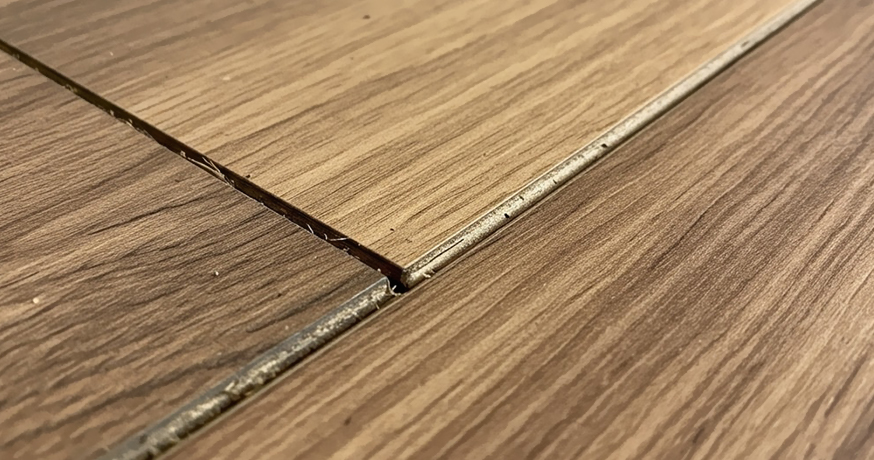
Laminate looks simple until it starts moving. Homeowners run into peaking planks, swollen seams, faded color near the windows, and a surface that lost its shine years earlier than expected. Almost none of that comes from bad luck. Most common laminate flooring problems trace back to a spec nobody checked or a preparation step nobody took. Accent Home Improvements LLC provides Laminate Flooring Services in Scottsdale AZ, including product selection, installation, maintenance, and repair, with clear estimates before any work starts.
A good outcome starts with matching the product to the room and the subfloor, then installing it the way the manufacturer intended. Because every home has different sun exposure, traffic, and slab conditions, the goal is not to sell the most expensive board. Instead, it is to catch the weak points before they show up in the floor.
Laminate Flooring Problems That Start at Specs
Two boards can look identical in a showroom and perform nothing alike. A buyer usually knows the price per square foot but not the rating, the water technology, or the wear layer. As a result, laminate flooring issues appear later, usually in the busiest room in the house.
Useful questions before choosing a product:
- What is the AC rating, and does the product carry third-party performance testing?
- Does it protect against water through the core or through sealed edges?
- How many hours of moisture exposure does the warranty actually allow?
- What is the board thickness, and is an underlayment attached or separate?
- How will the room be used, and how much direct sun does it get?
These answers take a minute each. They prevent the kind of laminate flooring mistakes that cannot be fixed later without pulling up the floor.
How Laminate AC Rating Predicts Floor Durability
AC stands for abrasion class, and it is the fastest way to compare durability. The scale runs from AC1 for light bedroom use up to AC5 for heavy commercial spaces, with each step reflecting how much traffic the wear layer is built to take.
Why Laminate Flooring Issues Increase In The Valley
Desert dust is abrasive. Every particle tracked in works like fine sandpaper under foot, and that grinding is what dulls a surface long before anything else fails. Buying below the traffic level of the room is one of the more common laminate flooring problems, and it never shows up until years later. AC3 is the practical minimum for a whole house here. AC4 is the safer buy for a home with kids, pets, or heavy door traffic, and the price difference is usually small compared to replacing a floor early.
How Flooring Certifications Prove Laminate Performance
The North American Laminate Flooring Association runs an eleven-point testing process covering impact resistance, stain resistance, and fade from light exposure. That is a broader check than an indoor air quality certification on its own. If a product carries that testing, the performance claims have something behind them rather than marketing language.
What Waterproof Laminate Flooring Really Means
Modern laminate handles water far better than the older category did, and some current collections are even rated for steam mopping. However, the term covers two different engineering approaches, and they fail differently.
Laminate Core Treatments That Improve Moisture Defense
Some manufacturers treat the fiberboard core so the board resists swelling if moisture reaches it. This protects against a spill that sits longer than it should, which is the situation most homeowners actually worry about.
Edge Sealing Methods That Protect Laminate Flooring
Others apply a moisture barrier at every plank joint during manufacturing instead of treating the whole core. The logic is sound, because most laminate moisture damage starts at the seams rather than through the surface. A spill wiped up in reasonable time never reaches the core at all.
Why Laminate Flooring Fails With Standing Water
Both approaches are built for household spills, not for a tub overflow or an appliance leak that sits overnight. Ask which method a product uses and what the warranty says about exposure time, because that number is what a claim rests on when something goes wrong.
Most Common Laminate Flooring Problems Explained
Price and product get most of the attention, but installation and room conditions cause the majority of callbacks. Therefore, it helps to separate the laminate floor problems you can prevent from the ones you simply manage. For homeowners weighing options across the full range of Laminate Flooring in Peoria AZ and the surrounding Valley, this is where the real difference between a ten year floor and a three year floor sits.
| Problem | Cause | Fix | Avoidable? | Impact |
| Peaking planks | No expansion gap at walls | Set correct gaps and transitions | Yes | High |
| Swollen seams | Spill left sitting on a joint | Match water rating to the room | Yes | High |
| Dull worn surface | Desert grit under foot traffic | Buy a higher AC rating | Yes | High |
| Color fading | Long sun exposure through glass | Choose a fade-tested product | Yes | Medium |
| Cupping or lifting | Slab moisture never tested | Test the slab before install | Yes | High |
| Hollow sound | Wrong or missing underlayment | Spec the underlayment upfront | Yes | Medium |
Every one of those is preventable at the estimate stage. That is worth noting, because it means a careful quote is not paperwork. It is the actual protection against the problems in that table.
How Expansion Gaps Damage Laminate Flooring
Laminate is a floating floor. It is not fastened down, and it expands and contracts as temperature and humidity change through the year. Valley homes run dry for months and then swing during monsoon season, so the movement is real even indoors.
This is where most laminate installation mistakes show up. When a floor is installed tight against baseboards or door casings, it has nowhere to go. The planks push against each other and lift in the middle, which is the peaking most homeowners describe as buckling. The fix after the fact usually means pulling baseboards and trimming the perimeter, so the correct gap at install time is far cheaper than the repair.
How Sun and Slab Impact Laminate Flooring Life
Prevent Laminate Flooring From Fading Near Windows
Long daylight hours, high sun angles, and large windows put real UV load on a floor. Rooms with west-facing glass fade first, and the change is gradual enough that many owners only notice when a rug is moved. Raise sun exposure before the product is chosen. A fade-tested board, window film, and shades all help, but the product decision does the most work.
Slab Moisture Risks That Damage Laminate Flooring
Most homes here sit on concrete slab, and concrete releases moisture vapor continuously. A floating floor over an untested slab can cup, lift, or grow mold underneath without any visible spill. Testing takes very little time and changes both the underlayment spec and sometimes the product itself. Any quote that skips it is not really a complete quote.
Cleaning Mistakes That Ruin Laminate Flooring
Laminate is low maintenance, not no maintenance, and a few everyday habits cause slow damage. These are the easiest laminate flooring problems to avoid, because they cost nothing to fix.
- Wet mopping with standing water on the surface, which works into the seams over time.
- Steam cleaning on a product that was never rated for it.
- Oil soaps and wax polishes, which leave a film that dulls the finish.
- Skipping entry mats, which lets grit in and accelerates surface wear.
- Dragging furniture without pads, which cuts through the wear layer in one motion.
Sweeping or vacuuming regularly and using a barely damp mop handles almost everything a laminate floor needs.
Where Laminate Flooring Should Never Be Installed
An honest recommendation includes the limits. Laminate is strong through most of a house and a poor fit in a few specific places.
- Full bathrooms with a tub or shower, where standing water is a matter of when rather than if.
- Laundry rooms with a floor drain or a history of appliance leaks.
- Any room where you may want to change the finish later, since laminate cannot be sanded and refinished.
- Slabs with unresolved moisture, which need correction before any floating floor goes down.
In those rooms a vinyl product or tile is usually the better call. Mixing materials by room is normal and often the smarter plan.
Smart Laminate Flooring Choices That Avoid Costly Repairs
The right laminate lasts a long time in this climate, and the wrong one shows its age within a few summers. That outcome is decided at the spec sheet and the preparation stage, not in the showroom photo. Match the rating to how the room is really used, ask which water technology the board uses, treat sun exposure as a real factor, and confirm the slab was tested. However, installation carries just as much weight. A premium board installed without expansion gaps will fail before a mid-tier board installed correctly.
Schedule Laminate Flooring Consultation Near You Today
Most common laminate flooring problems are avoidable, and the ones that are not can usually be repaired without replacing a whole room. A careful estimate, an honest product recommendation, and proper preparation still decide whether a floor looks right in ten years. We provide Laminate Flooring Services in Scottsdale AZ, including installation, custom design consultation, maintenance, and repair, with transparent pricing and no hidden line items. Homeowners in nearby Valley communities can ask about their specific rooms and subfloor as well. Call Accent Home Improvements LLC at (602) 638-8383 for a free quote today.
Laminate Flooring Questions Homeowners Ask Most
Why Laminate Flooring Lifts In The Middle Of A Room
That is called peaking, and it is the most common laminate flooring problem we get called out for. Laminate is a floating floor, meaning it is not fastened down, so it expands and contracts as temperature and humidity change through the year. When it is installed tight against baseboards or door casings, it has nowhere to expand, so the planks push against each other and lift. Valley homes make this worse because indoor air runs dry for months and then swings during monsoon season. The fix usually means pulling baseboards and trimming the perimeter to restore the gap. Getting the expansion gap right at install time costs nothing and prevents the repair entirely.
How Waterproof Laminate Flooring Performs Around Spills
It is far better than older laminate, but the term covers two different engineering approaches and neither one means a floor can sit under standing water. Some manufacturers treat the fiberboard core so it resists swelling if moisture reaches it. Others seal every plank joint during manufacturing, since most laminate moisture damage starts at the seams rather than through the surface. Both handle normal household spills, and some current products are even rated for steam mopping. The detail that matters is the warranty language. Ask how many hours of exposure the manufacturer allows, because that number is what a claim actually rests on when something goes wrong.
Which Laminate AC Rating Works Best In Your Home
AC3 is the practical minimum for a whole house, and AC4 is the safer buy in this climate. The AC scale measures abrasion resistance, running from AC1 for light bedroom use up to AC5 for heavy commercial spaces. Desert dust is the reason the number matters more here than elsewhere. Tracked-in grit works like fine sandpaper under foot traffic and dulls the wear layer long before anything else on the floor fails. Choosing a rating below the traffic level of the room is one of the more common laminate flooring problems. If the home has kids, pets, or a lot of exterior door traffic, AC4 or AC5 will hold its look years longer. The price gap between ratings is usually small compared to replacing a floor early.
How Arizona Sunlight Impacts Laminate Flooring Color
Yes, and it is the problem most buyers never ask about. Long daylight hours, high sun angles, and large windows put real UV load on any floor. Rooms with west-facing glass fade first, and the change happens gradually enough that many owners only notice when a rug or a piece of furniture is moved. This is why the fade portion of third-party performance testing is worth looking for. The North American Laminate Flooring Association runs an eleven-point process covering impact resistance, stain resistance, and fade from light exposure. Window film and shades help, but choosing a fade-tested product does more than anything added afterward.
Why Slab Moisture Testing Protects New Laminate Floors
Yes, and skipping it causes some of the worst laminate flooring problems we see. Most homes here sit on concrete slab, and concrete releases moisture vapor continuously whether or not anything was ever spilled on it. A floating floor installed over an untested slab can cup, lift, or develop mold underneath with no visible cause. The test takes very little time, and the result changes both the underlayment specification and sometimes the product choice itself. If a quote does not mention slab testing or a vapor barrier, ask what happens if the reading comes back high before any material is ordered.
How To Clean Laminate Floors Without Causing Damage
Sweep or vacuum regularly and use a barely damp mop. That handles almost everything. The habits that cause slow damage are wet mopping with standing water on the surface, which works into the seams over time, and steam cleaning on a product that was never rated for it. Oil soaps and wax polishes leave a film that dulls the finish and is difficult to remove. Entry mats matter more than most people expect in a dusty climate, because they stop grit at the door instead of letting it grind into the wear layer. Furniture pads prevent gouges, since dragging a chair can cut through a wear layer in one motion.
Rooms Where Laminate Flooring Should Be Avoided
Full bathrooms are the main one, because a tub or shower guarantees standing water eventually and no laminate is built for that. Laundry rooms with a floor drain or a history of appliance leaks fall in the same category. Laminate also cannot be sanded and refinished the way wood can, so any room where you may want to change the finish later is a poor fit. A slab with unresolved moisture needs correction first, regardless of what goes on top. In those spaces a vinyl product or tile is usually the better answer. Mixing materials room by room is completely normal and often produces a better result overall.